
PPC vs SEO: Which Is Better for Your Business?
In today’s digital-first world, businesses rely heavily on online marketing strategies to reach their target audiences. Among the most popular methods are Search Engine Optimization (SEO) and Pay-Per-Click (PPC) advertising. Both are designed to increase visibility, generate traffic, and drive conversions, but they work in very different ways.
As a business owner or marketer, you might be asking yourself, “PPC vs SEO—Which one is better for my business?” The answer isn’t as straightforward as choosing one over the other. Instead, it depends on your business goals, budget, and long-term marketing strategy.
In this article, we’ll break down the differences, advantages, disadvantages, and best-use scenarios for PPC vs SEO so you can make an informed decision.
What is SEO?
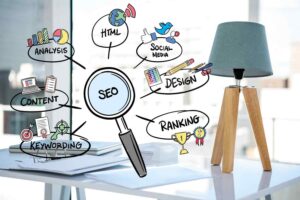
SEO (Search Engine Optimization) is the process of improving your website’s visibility on search engines like Google or Bing. The goal is to appear higher in the organic search results when people search for terms related to your products or services.
SEO involves optimizing multiple elements of your website, including:
-
Keywords: Using relevant keywords in your content, titles, and meta descriptions.
-
On-page SEO: Optimizing content, headers, internal linking, and site speed.
-
Off-page SEO: Building backlinks and improving domain authority.
-
Technical SEO: Ensuring crawlability, mobile responsiveness, and structured data.
With effective SEO, you don’t pay for clicks directly. Instead, you invest in content creation, optimization, and technical improvements that bring long-term results.
What is PPC?
PPC (Pay-Per-Click) is a type of online advertising where you pay each time someone clicks on your ad. The most popular PPC platform is Google Ads, though social media platforms like Facebook, Instagram, and LinkedIn also use PPC models.
PPC ads appear at the top of search results, above organic listings, and often include labels like “Sponsored” or “Ad.” Businesses bid on keywords, and their ads are shown to users searching for those terms.
PPC campaigns involve:
-
Keyword bidding: Choosing relevant terms to target.
-
Ad copy and creatives: Writing compelling ad text and designing visuals.
-
Landing pages: Optimizing the page users land on after clicking the ad.
-
Budget management: Controlling how much you’re willing to spend per click or campaign.
PPC delivers fast visibility, but as soon as you stop paying, the traffic stops.
PPC vs SEO: Key Differences
While both PPC and SEO aim to attract users from search engines, they differ in many ways:
| Factor | SEO | PPC |
|---|---|---|
| Cost | No direct cost per click, but requires investment in content and optimization | Pay-per-click; costs depend on keyword competitiveness |
| Speed of Results | Slow—can take months to rank | Fast—ads show up immediately |
| Longevity | Long-term benefits: rankings can last for years | Short-term; visibility ends when the budget runs out |
| Credibility | Higher trust as users prefer organic results | Seen as ads, sometimes ignored by users |
| Control | Limited—depends on Google algorithms | Full control over targeting, budget, and placements |
| Traffic Quality | Often higher quality; users trust organic links | Can be highly targeted, but depends on ad setup |
Advantages of SEO
-
Cost-Effective in the Long Run
While SEO requires upfront investment in content, tools, and expertise, it provides sustainable results without paying for every click. -
Builds Credibility and Trust
Websites that appear organically are often viewed as more trustworthy by users compared to ads. -
Long-Term Traffic Growth
Once you rank on the first page, you can continue to attract traffic for months or years with little additional cost. -
Better ROI for Evergreen Content
High-quality blog posts, guides, and product pages can keep driving traffic long after publication.
Advantages of PPC
-
Immediate Results
Unlike SEO, which takes time, PPC campaigns can start generating clicks and leads the same day. -
Precise Targeting
PPC allows you to target users by demographics, location, interests, and even behavior, ensuring your ads reach the right audience. -
Full Control
You can adjust budgets, pause campaigns, test different ads, and refine your targeting in real-time. -
Great for Short-Term Goals
If you’re launching a new product, running a seasonal promotion, or testing markets, PPC provides instant visibility.
Disadvantages of SEO
-
Takes Time: Ranking doesn’t happen overnight; it can take months.
-
Algorithm Changes: Google frequently updates its algorithms, which can affect rankings.
-
Competitive Niches: Highly competitive industries may find it difficult to rank without significant investment.
Disadvantages of PPC
-
Can Be Expensive: In competitive industries, cost-per-click can go very high (sometimes $50+ per click).
-
Short-Term Only: Once you stop paying, your visibility disappears.
-
Ad Blindness: Some users skip ads entirely, focusing only on organic results.
When to Use SEO
SEO works best if you:
-
Have a limited marketing budget but want long-term growth.
-
Want to build brand credibility and trust.
-
Operate in an industry where users frequently search for information (e.g., real estate, healthcare, education).
-
Can commit time and resources to consistent content creation and optimization.
When to Use PPC
PPC is ideal if you:
-
Need immediate results and traffic.
-
We are promoting a new product or service.
-
Operate in a competitive market where ranking organically is difficult.
-
Have a flexible budget and want full control over targeting.
PPC vs. SEO: Which Is Better for Your Business?
So, PPC vs. SEO—which one should you choose?
The truth is, it’s not about choosing one over the other—it’s about using both strategically. A balanced digital marketing strategy combines the long-term sustainability of SEO with the immediate impact of PPC.
For example:
-
Use PPC vs SEO to build authority, credibility, and sustainable organic traffic.
-
Use PPC for quick wins, seasonal campaigns, or when testing new markets.
Together, they can maximize your visibility on search engines, dominate both paid and organic spaces, and deliver the best return on investment.
Conclusion
Both SEO and PPC have their unique strengths and limitations. SEO is a long-term strategy that builds credibility and organic growth, while PPC provides instant visibility and highly targeted campaigns.
Instead of asking, “PPC vs. SEO: Which is better for your business?” Ask yourself, “How can I use both PPC and SEO together to achieve my business goals?”